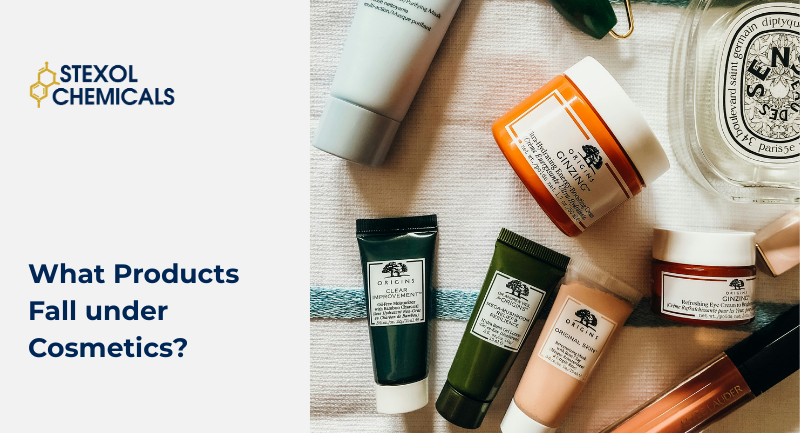
Most cosmetics have a base of water, oils, or silicone, which are then mixed with functional ingredients like emulsifiers (for blending water and oils), preservatives (to extend shelf life), thickeners (for texture), and surfactants (for cleansing). Key active ingredients include moisturizers (such as glycerin and hyaluronic acid), pigments (like mica for color), fragrances, vitamins (A, C, E), acids (glycolic and salicylic), and natural extracts that provide specific skin benefits.
Every cosmetic product is made with a careful balance of ingredients, each serving a specific purpose, whether it’s adding texture, color, skin benefits, or increasing product shelf life. If you’re a beauty brand owner, indie cosmetic maker, or manufacturer in Pakistan, understanding the main cosmetic ingredients is essential for creating safe and effective formulas that appeal to the market.
The cosmetic industry relies on both natural and synthetic substances to create products that customers love. These ingredients fall into two main categories: functional ingredients (used for structure and stability) and active ingredients (which offer specific benefits for the skin).
Common Ingredients Function (Overactive Ingredients)
Functional ingredients are the backbone of any cosmetic formulation, ensuring product stability, texture, and longevity.
Water: The Universal Solvent
Water is the most common ingredient in cosmetics, serving as both a base and a solvent. It dissolves other ingredients and helps achieve the ideal consistency for lotions, creams, and serums.Emulsifiers: Marinating Oil And Water
Emulsifiers are essential for keeping oil and water from separating in cosmetic products. Common examples include polysorbates, laureth-4, and potassium cetyl sulfate. These ingredients ensure your products maintain a consistent texture throughout their shelf life.
Preservatives: How to Keep the Life of the Product
Preservatives prevent the growth of microbes, keeping the product safe and extending its shelf life. Examples include phenoxyethanol, parabens, organic acids, and isothiazolinones. Without preservatives, cosmetics would quickly become breeding grounds for bacteria.
Thickeners: Making Things Have Perfect Texture
Thickeners add viscosity and consistency to cosmetic products. Popular thickeners include xanthan gum, carbomer, silica, and cetyl alcohol. These ingredients give products their luxurious, spreadable texture.
Emollients: Moisture Ulserase /Moisturizing Skin /Protecting Skin
Emollients form a barrier on the skin to trap moisture and prevent water loss. Oils, waxes, and silicones like dimethicone perform this role, leaving the skin feeling soft and hydrated.
Surfactants: Cleansing Agents
Surfactants create foam and help wash away dirt and oil. Common examples include ammonium lauryl sulfate and other sulfates. These ingredients are essential in shampoos, face washes, and body cleansers.
Common Active Ingredients (To Provide Specific Benefit)
Active ingredients target specific skin concerns and deliver noticeable, visible results.
Other Important Ingredients of Cosmetic Formulations
Oils and Waxes: Texture and Protection
Mineral oil, beeswax, carnauba wax, and oils from jojoba and argan plants provide texture and protection. These ingredients are especially important in lipsticks, balms, and moisturizers, offering both functional and aesthetic benefits.
Silicones: The Power of Smoothness
Silicones like dimethicone make the skin feel smooth and add a silky texture to cosmetic formulations. They are commonly found in primers, foundations, and hair products.
Minerals: Color and Coverage
Minerals such as talc, zinc oxide, and titanium dioxide are key ingredients in powders and makeup. Talc (hydrated magnesium silicate) is especially common in face powders, helping to conceal imperfections and absorb oil.
Sourcing High-Quality Cosmetic Raw Materials in Pakistan
For beauty brands and manufacturers in Pakistan, partnering with a reliable supplier of cosmetic raw materials is crucial. Stexol Chemicals provides high-quality cosmetic ingredients such as emulsifiers, preservatives, thickeners, oils, waxes, and active ingredients to help you develop safe, effective formulations that meet international standards.
Whether you’re making skincare, haircare, or color cosmetics, knowing the role of each ingredient helps you create products that deliver results while remaining safe and compliant.
Ingredient Selection: The Key to Successful Formulations
Knowing the main ingredients in cosmetics empowers you to make informed choices during formulation. From functional ingredients like emulsifiers and preservatives to active ingredients such as vitamins and acids, each plays a vital role in creating products that perform, protect, and delight consumers.
Whether you’re launching a skincare line or expanding your cosmetic brand, finding quality ingredients is the key to success in Pakistan’s competitive beauty market
Ready to Discover the Right Cosmetic Ingredients for Your Brand?
Contact Stexol Chemicals for reliable, high-quality cosmetic raw materials that meet international standards. Elevate your formulations with trusted ingredients. Reach out to us today to discuss your needs!